-
-
-
Woodvale Grove,Krishna Centre Westlands
Welcome to Our Office
23
Feb
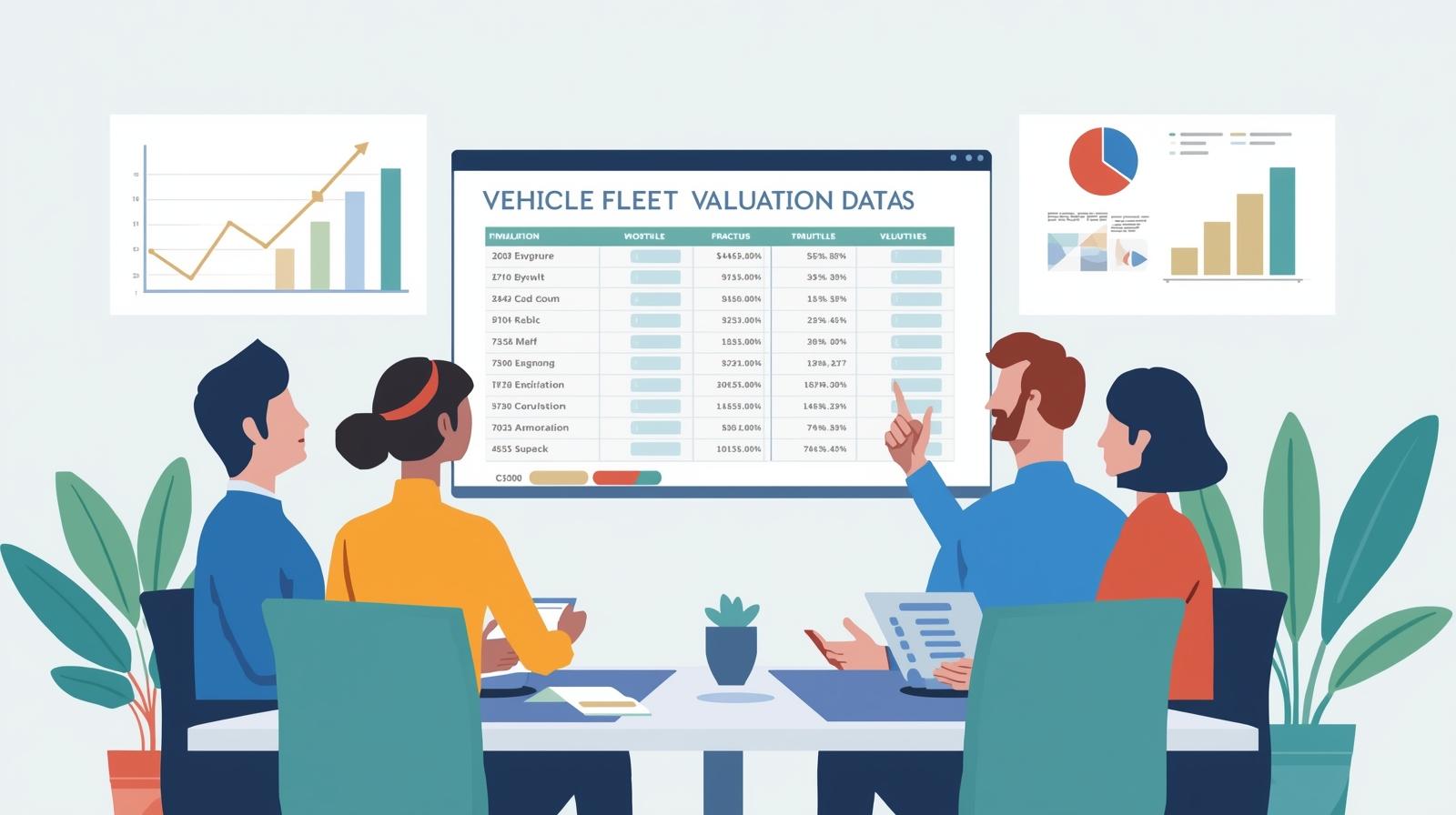
For organizations that manage multiple vehicles, fleet valuation is far more than a routine exercise it is a critical component of effective asset management. By conducting regular valuations, companies can clearly understand the current market worth of their vehicles and make informed operational decisions. Knowing the real value of automotive assets helps businesses maintain financial clarity and strategic control.
Up-to-date fleet valuations also play an important role in financial reporting and audit compliance. Accurate asset values are necessary for preparing balance sheets, calculating depreciation, and meeting regulatory requirements. In addition, insurance providers often require current valuations during policy renewals to ensure adequate coverage.
Regular assessments assist management in determining the right time to replace or dispose of aging vehicles. Keeping vehicles beyond their optimal economic lifespan can lead to rising maintenance expenses, unexpected breakdowns, and operational delays. Fleet valuation provides data that supports timely replacement planning and cost control.
In cases of accidents, theft, or major damage, having recent valuation records simplifies the insurance claims process. Clear documentation of a vehicle’s value reduces the likelihood of disputes and accelerates compensation. This helps businesses minimize downtime and maintain continuity in their operations.
Ultimately, consistent fleet valuation strengthens budgeting, forecasting, and long-term planning. With reliable data on asset values, organizations can allocate resources more efficiently, manage risk proactively, and enhance overall operational performance.