-
-
-
Woodvale Grove,Krishna Centre Westlands
Welcome to Our Office
21
Feb
Have you ever wondered why two cars of the same model and year can have different prices? The answer lies in the various factors that influence vehicle valuation.
Understanding these factors can help you maintain your vehicle better and preserve its value over time.
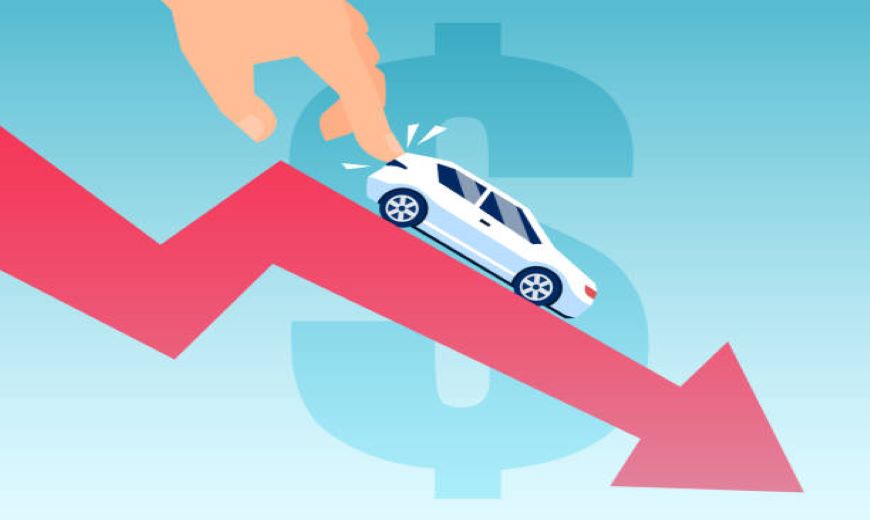
Depreciation is the gradual decrease in value over time. Most cars lose a significant percentage of their value within the first few years of purchase. New vehicles depreciate faster than older ones.
Mileage reflects how much the vehicle has been used. Generally, lower mileage means less wear and tear, which increases value. However, extremely low mileage for an old car may raise concerns about inactivity or mechanical issues.
The engine, transmission, suspension, brakes, and overall mechanical performance significantly affect value. A well-maintained vehicle commands a higher price.
Regular servicing and genuine parts replacement help maintain vehicle value.
Buyers often judge a car’s value based on its physical appearance. Scratches, dents, faded paint, worn seats, and damaged dashboards reduce market appeal.
Clean interiors and polished exteriors increase buyer confidence and perceived value.
A complete service record proves that the car has been maintained properly. Vehicles with documented maintenance history usually sell faster and at better prices.
Some car brands and models retain value better due to reliability, fuel efficiency, or popularity. SUVs, fuel-efficient vehicles, and durable brands tend to have stronger resale value.
Vehicles involved in major accidents often have reduced market value. Structural damage, even if repaired, may lower buyer confidence.
While some upgrades may increase value (e.g., alloy rims or modern infotainment systems), excessive modifications can reduce appeal.